Advanced Computational Methods Optimizing Wager Distributions in Top Football Accumulators and Steeplechase Pairs

Betting platforms have incorporated machine learning frameworks that process historical performance metrics from Premier League matches alongside National Hunt racing results to recalibrate stake allocations in accumulator bets and doubles selections. These systems evaluate variables including team form trends, player availability updates, and course conditions at tracks such as Cheltenham and Aintree while redistributing wager amounts across multiple legs to align wth shifting probability estimates. Observers note that such refinements occur in real time during market fluctuations, allowing operators to maintain balanced risk exposure without manual intervention.
Researchers at various academic institutions have documented how these algorithmic adjustments draw on large datasets compiled over several seasons. One analysis from European university teams highlighted correlations between early season results and later accumulator outcomes, prompting platforms to shift higher portions of stakes toward mid-priced selections rather than concentrating funds on short-priced favorites. Data from industry reports indicates that similar techniques applied to National Hunt doubles have reduced variance in payout patterns during spring festivals.
Core Components of Stake Refinement Models
Stake allocation engines typically combine regression analysis with reinforcement learning loops that test simulated outcomes against live odds feeds. In Premier League accumulators, the models factor in goal expectancy rates derived from expected goals statistics and adjust individual bet sizes accordingly. For National Hunt doubles, variables expand to include hurdle or fence preferences, going descriptions, and jockey strike rates at specific venues. Platforms integrate these calculations into backend systems that update stake percentages before each bet placement window closes.
What's interesting is how these tweaks interact with promotional structures. Operators apply weighting factors that favor certain combinations based on historical payout frequencies, yet they maintain separation between the algorithmic core and bonus mechanics to avoid overlap with cashback or free bet offers. Figures reveal that in the period leading to May 2026, several major sites reported incremental improvements in allocation efficiency following software patches that enhanced data ingestion speeds from third-party analytics providers.
Implementation Across Different Markets
Premier League accumulators benefit from granular inputs such as set-piece conversion rates and defensive solidity indices that algorithms cross-reference with bookmaker margin adjustments. National Hunt doubles receive parallel treatment through modules focused on distance suitability and recent form over obstacles. Those who've studied platform architectures describe layered validation steps that cross-check proposed stake distributions against regulatory thresholds in multiple jurisdictions.
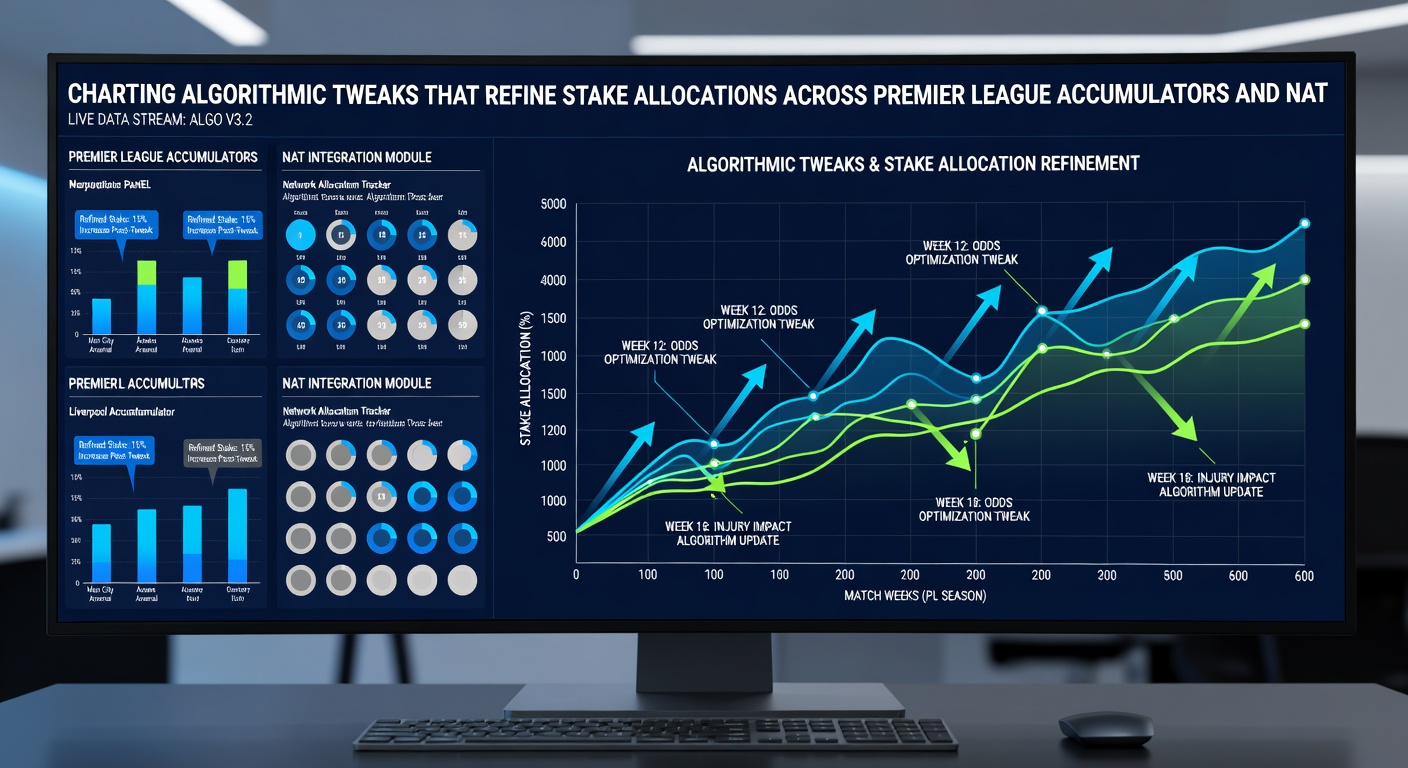
Take one case where experts examined adjustments during a congested midweek fixture schedule. The algorithms diverted marginal stake portions away from high-odds underdogs in accumulators toward more balanced selections, producing steadier return distributions according to aggregated user outcome logs. Similar patterns emerged in doubles featuring horses from prominent National Hunt yards, where course-specific performance data prompted reallocation toward pairings with proven versatility.
Data Sources and Model Training Cycles
Training cycles for these systems rely on anonymized betting patterns combined with public performance statistics. A 2025 report issued by the American Gaming Association examined parallel developments in North American sports wagering platforms, noting transferable techniques for multi-leg bet structuring that UK operators have adapted. Separate findings from Australian research groups have contributed insights into risk-model calibration for racing doubles that share structural similarities with National Hunt formats.
Updates scheduled around May 2026 incorporated expanded datasets covering international qualifiers and trial races, allowing finer differentiation between similar-priced options. The models now apply Bayesian updating methods that refine probability estimates as new information arrives from team news or non-runner declarations. This approach keeps stake allocations responsive without requiring constant human oversight.
Performance Metrics and Industry Observations
Performance tracking shows measurable shifts in average stake distribution across accumulator lengths and double pairings. Platforms report narrower spreads between projected and realized returns following algorithmic integration, particularly when handling high-volume periods such as Premier League weekends or major National Hunt meetings. Industry organizations tracking these trends emphasize that the focus remains on operational efficiency rather than altering underlying odds compilation.
Those monitoring regulatory filings note that compliance checks form an integral layer within the allocation process. Systems flag distributions that exceed predefined exposure limits and trigger automatic recalibrations before confirmation. Such safeguards align with standards promoted by international betting integrity groups that advocate consistent application of risk controls across soccer and racing products.
Conclusion
Algorithmic refinements continue to evolve stake allocation practices for Premier League accumulators and National Hunt doubles through systematic analysis of performance indicators and market dynamics. These developments reflect broader adoption of computational tools across betting operations, with ongoing updates expected to incorporate additional data streams from emerging analytics sources. The result is a more structured framework for managing multi-leg wagers that operates consistently across different event types and timeframes.