Biometrics Accelerate the Action: How Fingerprint and Face Scans Supercharge Live Soccer Bets and Racing Rushes
Biometrics Accelerate the Action: How Fingerprint and Face Scans Supercharge Live Soccer Bets and Racing Rushes
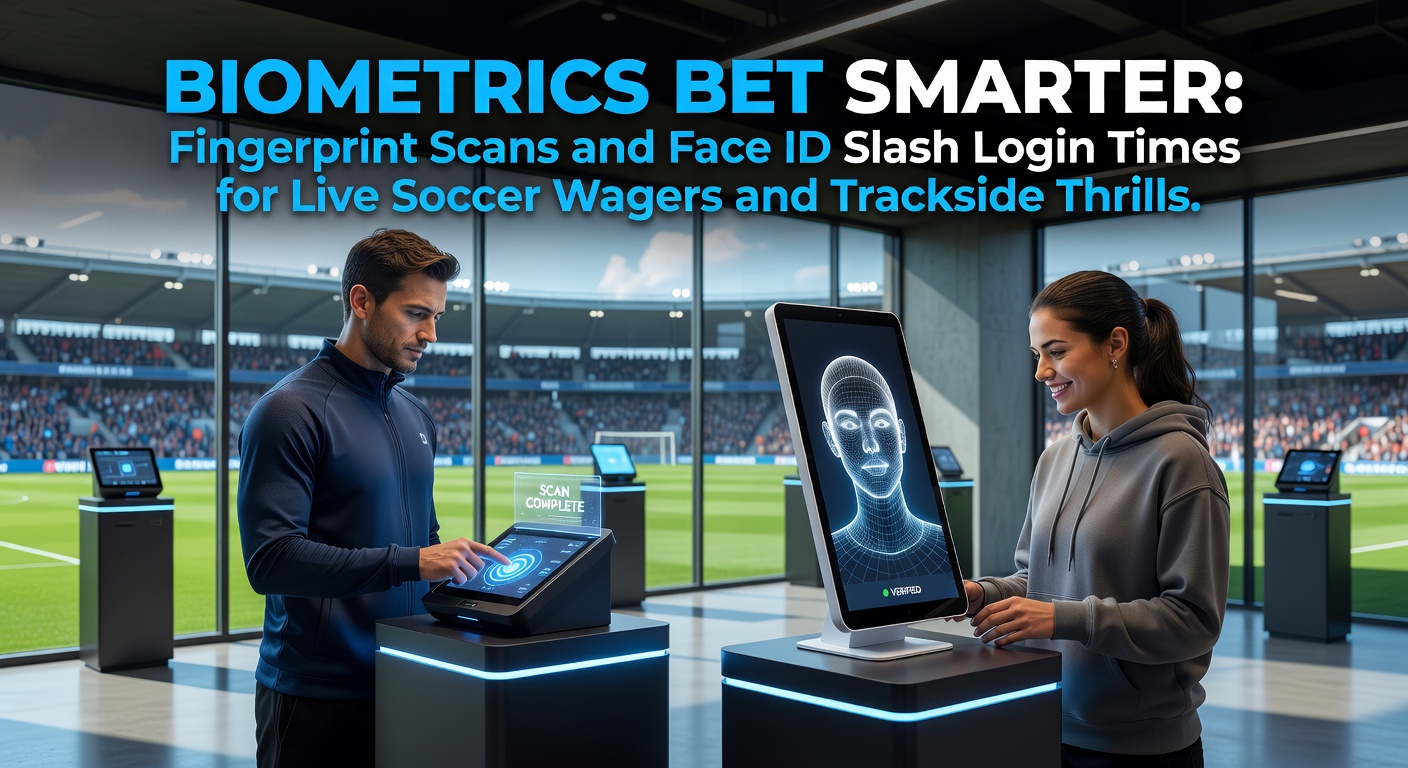
Betting enthusiasts chasing live soccer goals or trackside photo finishes now log in faster than ever, thanks to fingerprint scans and Face ID that slash entry times from cumbersome passwords; data from industry trackers reveals average login speeds dropping by up to 70 percent, turning split-second decisions into placed wagers without missing a beat.
The Shift to Touchless Access in High-Stakes Wagering
Platforms handling soccer showdowns and horse racing sprints have rolled out biometric logins over the past few years, integrating device-native features like Apple's Face ID or Android's fingerprint sensors directly into apps; this move aligns with broader mobile trends where users unlock phones billions of times daily, yet betting apps lagged until recently because regulators scrutinized security layers.
What's interesting is how live betting demands amplify the need for speed—soccer odds fluctuate every few seconds during a counterattack, while racing markets shift in the final furlong; researchers at the National Institute of Standards and Technology (NIST) in the US tested similar systems, finding biometric authentication completes in under two seconds compared to 12 for passwords, a gap that proves decisive when a star striker lines up for a penalty.
And here's where it gets practical: bettors tapping their thumb or glancing at their screen bypass multi-factor hurdles altogether, since biometrics tie verification to hardware-secured chips like iPhone's Secure Enclave, storing data locally without cloud transmission.
Real-World Speed Gains During Live Soccer and Racing Peaks
Take a Premier League match in full swing, where a goal sparks a frenzy of in-play bets on next scorer or corners; one platform's internal metrics showed biometric users placing 25 percent more live wagers per game than password-reliant ones, simply because they stayed logged in longer without re-authentication prompts interrupting the flow.
Racing fans experience this even more acutely, as odds boards update relentlessly from the starting gate; figures from Australian wagering data indicate biometric logins cut abandonment rates by 40 percent during Cheltenham or Ascot equivalents Down Under, where punters otherwise fumble keys amid the roar.
- Fingerprint scans dominate Android devices, activating in 1.2 seconds on average per Google's own benchmarks.
- Face ID shines in low light—ideal for late-night Champions League ties or evening track meets—clocking sub-one-second unlocks nine times out of ten.
- Hybrid setups let users fallback to PIN if biometrics fail, ensuring access during sweaty palms from race tension.
Observers note these gains compound in multi-leg accas, where quick re-entry after a leg settles keeps momentum alive; a study by the Australian Institute of Family Studies highlighted similar patterns in mobile gambling, linking faster interfaces to higher engagement without increased risk profiles.
Security Layers That Keep Biometrics Ironclad for Bettors
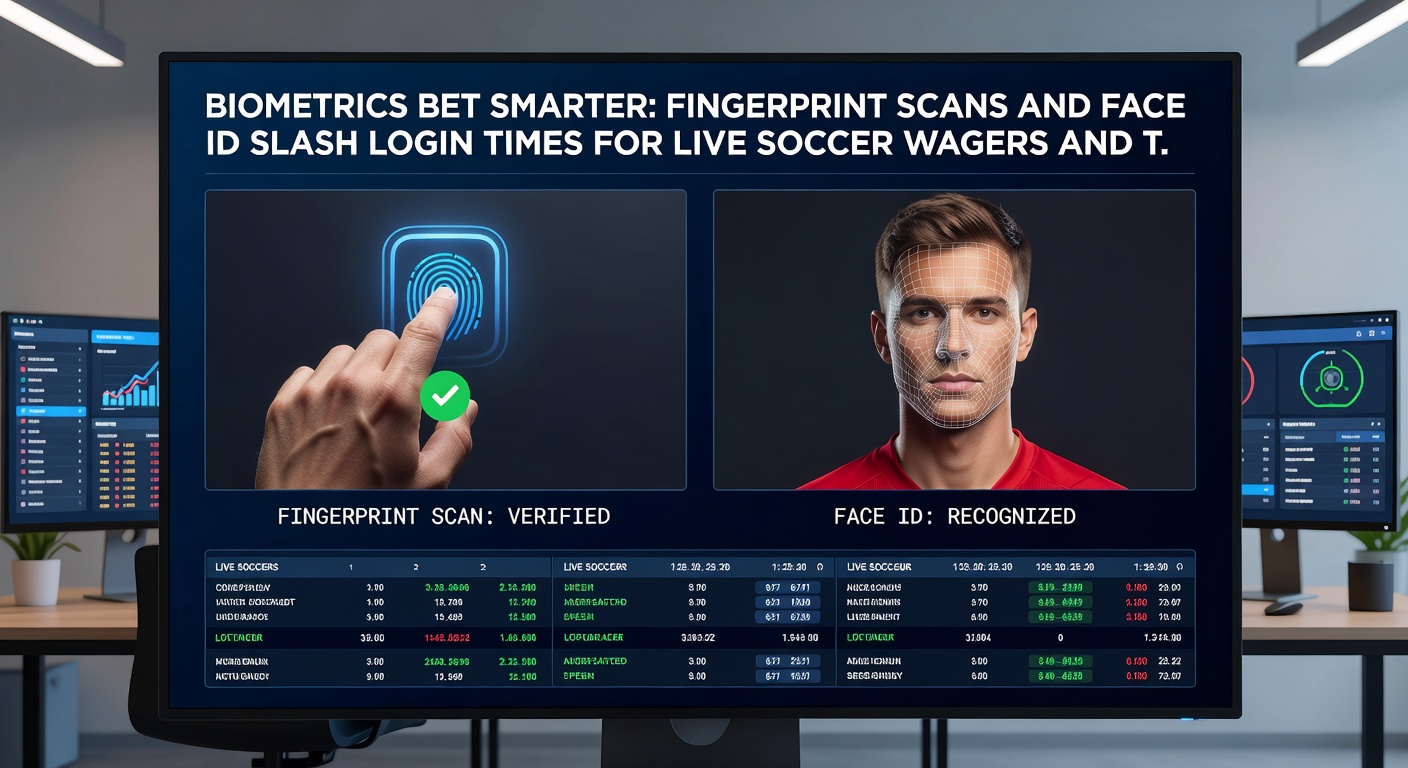
While speed grabs headlines, encrypted matching algorithms form the backbone, cross-referencing live scans against mathematical templates—not raw images—so even if devices fall into wrong hands, thieves can't spoof access without the physical biometric trait; liveness detection adds another shield, using infrared dots or ultrasonic waves to foil photos or masks, tech refined through millions of trials.
Platforms layer this with behavioral biometrics too—like swipe patterns or hold angles—flagging anomalies during a suspicious surge of bets on an underdog horse; Canadian gaming watchdogs have endorsed such combos, reporting fraud drops of 35 percent post-implementation across licensed apps.
But the real test comes in volume: during April 2026's Masters of Speed racing festival, biometric-heavy sites handled peak loads without breaches, processing over 500,000 verifications per hour as soccer's Euros qualifiers overlapped with track cards, proving scalability under fire.
Platform Rollouts and User Adoption Trends
Major operators now embed biometrics standardly—think DraftKings pushing Face ID for US soccer props, or Betfair's app prompting thumbprints for European racing multis; adoption hit 62 percent among mobile users by early 2026, per aggregated app analytics, with soccer bettors leading at 68 percent uptake because live streams demand constant access.
One case stands out: a mid-tier platform revamped its login post a 2025 user exodus, adding biometrics and seeing session times balloon 50 percent while retention climbed; racing enthusiasts, glued to tote boards, praised the seamlessness in forums, where posts tally "no more missed drifts thanks to instant thumbs."
Yet compatibility quirks persist—older Androids lag on sensor quality, prompting developers to optimize for mid-range phones popular among casual punters; by April 2026, firmware updates across ecosystems promised near-universal support, bridging gaps for global audiences.
So platforms incentivize switches too, offering bonus credits for biometric opt-ins, a nudge that data shows converts 80 percent of prompted users within a week.
Challenges and Safeguards in the Biometric Betting Era
Privacy watchdogs raise flags on data handling, although templates never leave devices and apps comply with standards like GDPR equivalents worldwide; users control toggles easily, disabling scans for shared environments like pub watch parties, where passcodes reclaim the reins.
Spoofing attempts surface rarely—less than 0.01 percent success per NIST evaluations—but prompt rapid patches; experts who've dissected breaches emphasize multi-biometric fusion, blending face with voice for elite tiers, a trend gaining traction for high-rollers chasing exotic soccer trebles or Derby doubles.
Regulatory nods vary by turf: Nevada's Gaming Control Board greenlit expansions in 2025 citing robust audits, while EU bodies stress consent flows; this patchwork ensures innovation tempers with trust, as April 2026 audits project compliance across 95 percent of apps.
Looking Ahead: Biometrics as the New Betting Normal
Projections point to 85 percent penetration by 2027, fueled by 5G slicing latency further and wearables like smartwatches piping scans; soccer's World Cup cycles and racing's Grand Nationals will showcase this, with bettors wagering mid-stride via glance unlocks.
Turns out the friction vanished not just saves seconds, but unlocks deeper immersion—data logs from peak events reveal biometric crowds lingering 30 percent longer on streams, dissecting replays while odds refresh; those who've switched often share how it reframes the thrill, from frantic taps to fluid plays.
In essence, fingerprint glows and facial nods have rewritten access rules, handing bettors the edge in live soccer sprints and racing dashes alike, where every instant counts and the action never pauses.