UK Gambling Commission Sets Staged Rollout for Financial Risk Assessments Targeting High-Spend Customers
 The UK Gambling Commission has confirmed it will introduce Financial Risk Assessments through a phased implementation that begins with the largest operators and focuses first on customers who place substantial bets, often reaching multiple thousands of pounds within any 24-hour period, and this measured start allows operators time to refine their internal systems before wider application takes hold across the sector. Observers note that the approach follows extensive consultation and piloting phases which helped shape practical guidelines while ensuring the process supports customers who may face financial strain without creating unnecessary barriers for those who gamble responsibly, and the Commission designed these steps to balance regulatory oversight with operational efficiency for businesses of varying sizes.
Phased Implementation Details and Operator Responsibilities
Largest operators will lead the initial phase by applying assessments to high-value accounts where spending patterns indicate elevated activity levels over short timeframes, and this priority targets those entities best equipped with advanced data analytics tools to handle the additional checks smoothly from the outset.
Subsequent stages will expand coverage to mid-sized and smaller operators once the early group demonstrates workable models, and the Commission has outlined that full rollout will eventually encompass all licensed remote gambling businesses operating in the UK market.
Customer Thresholds and Age-Based Adjustments
Once the system reaches complete implementation, Financial Risk Assessments will apply to customers aged 25 and older who record net deposits exceeding £1,000 within a single 24-hour window or £3,000 across any 90-day stretch, while younger players face lower thresholds designed to provide earlier intervention for those still developing financial management habits.
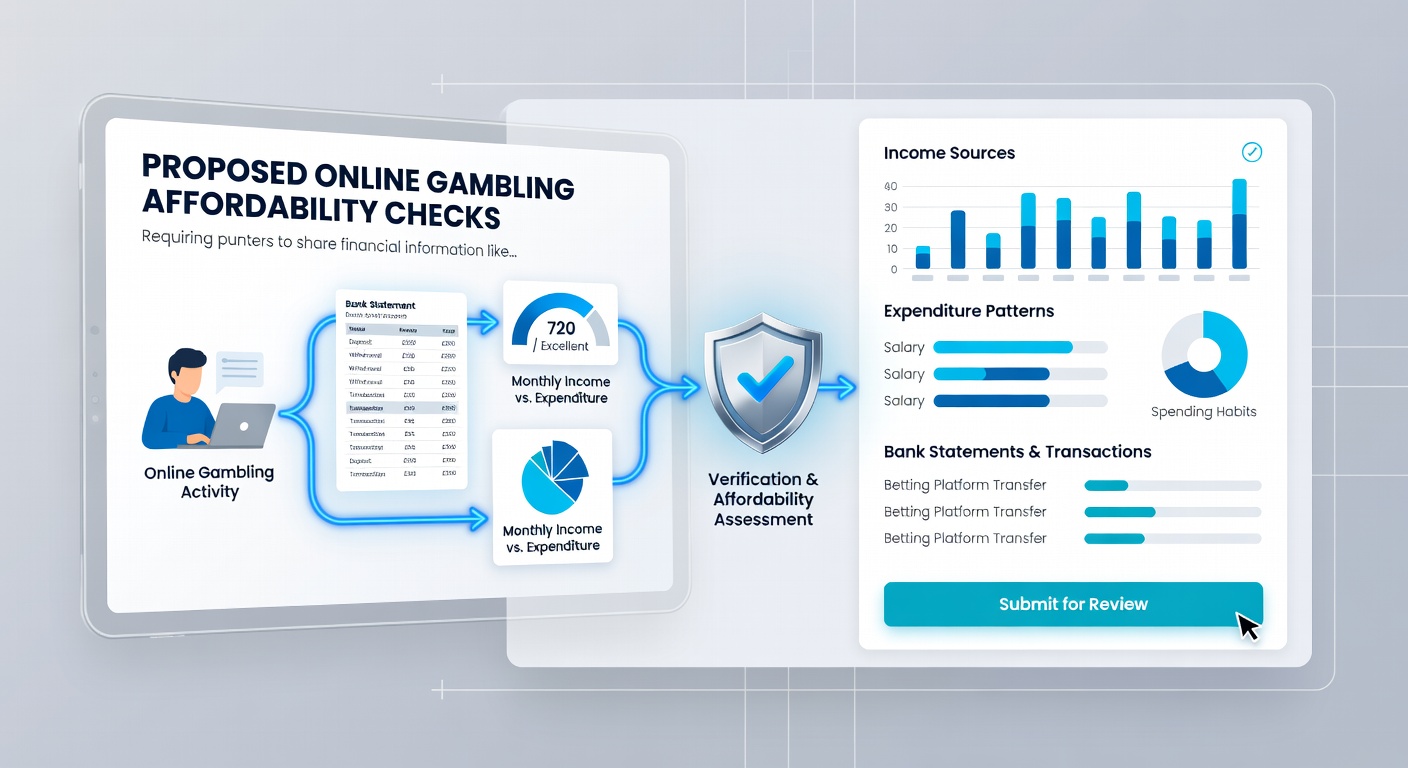
These markers help operators identify individuals who might experience difficulties meeting their financial obligations, and the assessments draw on available credit and banking data to flag potential vulnerabilities without requiring direct customer disclosure in every instance.
Consultation Process and Pilot Outcomes
The announcement stems from a detailed consultation period during which industry participants, consumer representatives, and regulatory experts reviewed proposed frameworks and tested them through controlled pilot programs, and findings from those trials informed adjustments that aim to streamline verification steps while maintaining robust protections for at-risk groups.
According to the Gambling Commission announcement, the staged method reduces administrative burdens on smaller operators during early months and allows time for technology providers to deliver compatible solutions that integrate with existing customer management platforms.
Supporting Vulnerable Customers While Streamlining Processes
The core objective centers on early detection of financial difficulties so that operators can offer appropriate support measures such as deposit limits or referrals to specialist services, and this proactive stance aligns with broader efforts to reduce gambling-related harm across the regulated market.
Operators must now prepare internal policies that outline how they will conduct assessments, communicate findings to customers, and document outcomes for Commission review, while the phased timeline gives companies until full enforcement to train staff and update compliance procedures.
Conclusion
The introduction of Financial Risk Assessments marks a significant evolution in UK gambling regulation that prioritizes data-driven identification of potential harm while preserving market functionality through careful staging, and continued monitoring will determine how effectively these measures achieve their intended balance between customer protection and business practicality as implementation progresses across operator tiers.