Charting Synergies Between Loyalty Tiers and Cross-Format Wagering on Unified Digital Platforms
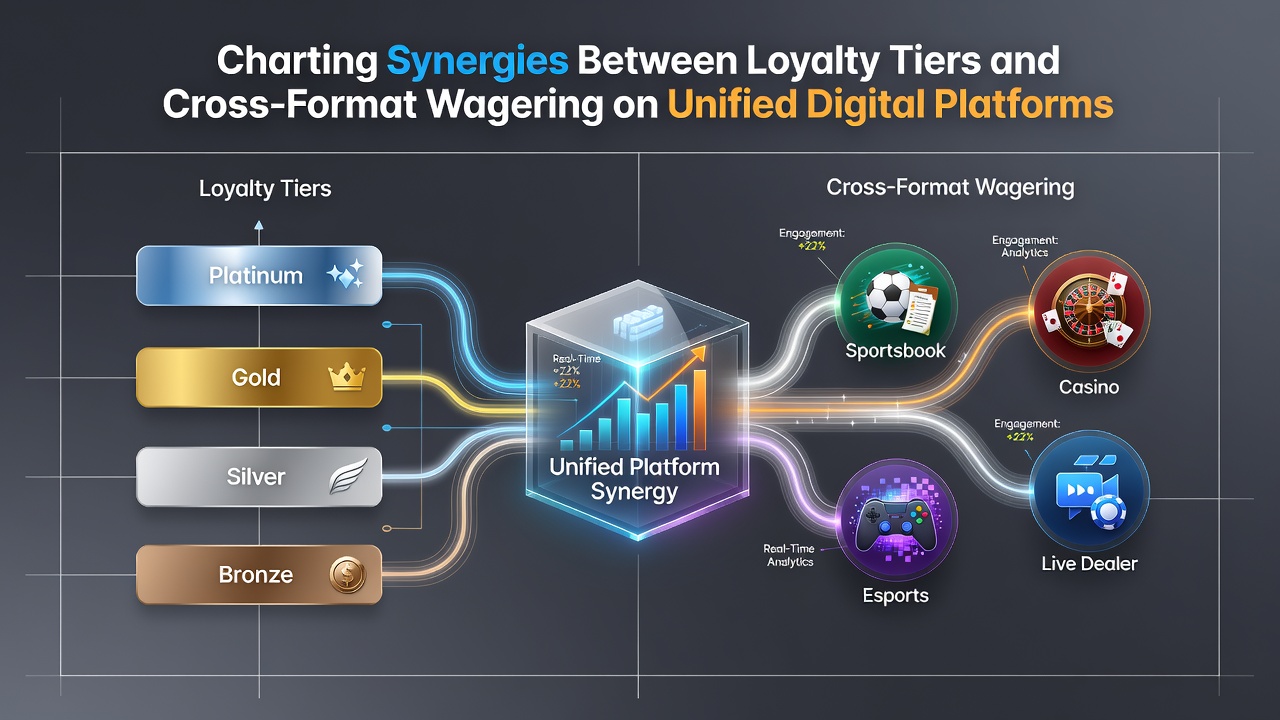
Digital platforms have integrated loyalty programs with wagering across sports, casino games, and other formats, creating systems where user activity in one area directly influences rewards in others; this structure allows participants to accumulate points from varied bets while advancing through tier levels that unlock additional features such as enhanced odds or exclusive events.
How Loyalty Tiers Operate Within Unified Systems
Platforms typically structure tiers as progressive levels, beginning with entry points like bronze or silver that grant basic perks such as deposit matches, then advancing to gold or platinum where benefits expand to include personalized promotions and faster withdrawal processing; data from the American Gaming Association indicates that tier advancement correlates with sustained platform engagement across multiple product categories, with higher levels often requiring combined activity rather than isolated play in a single format.
Points accrual mechanisms frequently assign values based on wager volume and format diversity, so a user placing football accumulators might earn equivalent credits to someone spinning slots, while combined participation accelerates progress; researchers at the University of Sydney have documented how these mechanics encourage cross-format exploration because isolated activity rarely suffices for top-tier qualification.
Cross-Format Wagering and Its Integration Points
Unified platforms enable seamless transitions between sports betting, table games, and live dealer options through shared account balances and real-time tracking; this setup means a single deposit supports activity across categories, with loyalty calculations pulling from total handle regardless of source, and system logs show that participants who diversify formats tend to reach higher tiers more rapidly than those who focus narrowly.
July 2026 figures from regulatory filings in New Jersey reveal continued growth in multi-format sessions, where users alternate between in-play sports markets and casino side games within the same login, supported by unified APIs that synchronize tier status across all verticals; such integration reduces friction and allows loyalty rewards earned in one area to apply immediately elsewhere.

Technical Architecture Supporting These Synergies
Backend systems rely on centralized databases that log every transaction type under a single user profile, applying algorithms to convert activity into tier points and bonus eligibility; industry reports highlight that platforms employing this model experience higher retention because users see immediate recognition of their diverse wagering patterns, whether through sports multis or virtual table sessions.
Security protocols maintain separation between game engines while feeding unified loyalty engines, ensuring that progress toward the next tier reflects total platform use; observers note that this architecture supports features like tier-locked tournaments that span formats, allowing sports bettors to compete alongside casino players under shared qualification rules.
Observed Patterns in User Behavior and Platform Metrics
Studies from the European Gaming and Betting Association track how tier incentives influence format switching, with participants often moving between categories to maximize point multipliers or unlock time-limited offers; the data shows steady increases in session length when loyalty progress ties directly to cross-format totals rather than siloed metrics.
Case examples from platform analytics demonstrate users completing requirements for gold status by balancing race wagers with slot volume, after which new reward layers activate across both areas; this pattern repeats across regions where digital unification has matured, producing measurable lifts in overall handle without proportional increases in single-format concentration.
Regulatory and Compliance Considerations
Authorities in multiple jurisdictions require clear disclosure of how loyalty calculations span formats to prevent misleading claims about reward availability; compliance frameworks emphasize transparent point valuation and tier criteria so that participants understand the path from entry level to premium status regardless of preferred wagering type.
Platforms address these requirements through in-app explanations and audit trails that verify points derive from legitimate activity across all integrated products; such measures align with broader responsible gaming standards while preserving the operational advantages of unified tracking.
Conclusion
Unified digital platforms continue to refine the connections between loyalty tiers and cross-format wagering through centralized tracking and diversified point systems, supported by regulatory oversight and technical integration that spans sports, casino, and emerging verticals; these developments reflect ongoing adaptation to user patterns where combined activity drives tier advancement and reward access.