Encryption Mandates Evolving Under Regulatory Pressure for UK Mobile Soccer and Horse Racing Betting Services
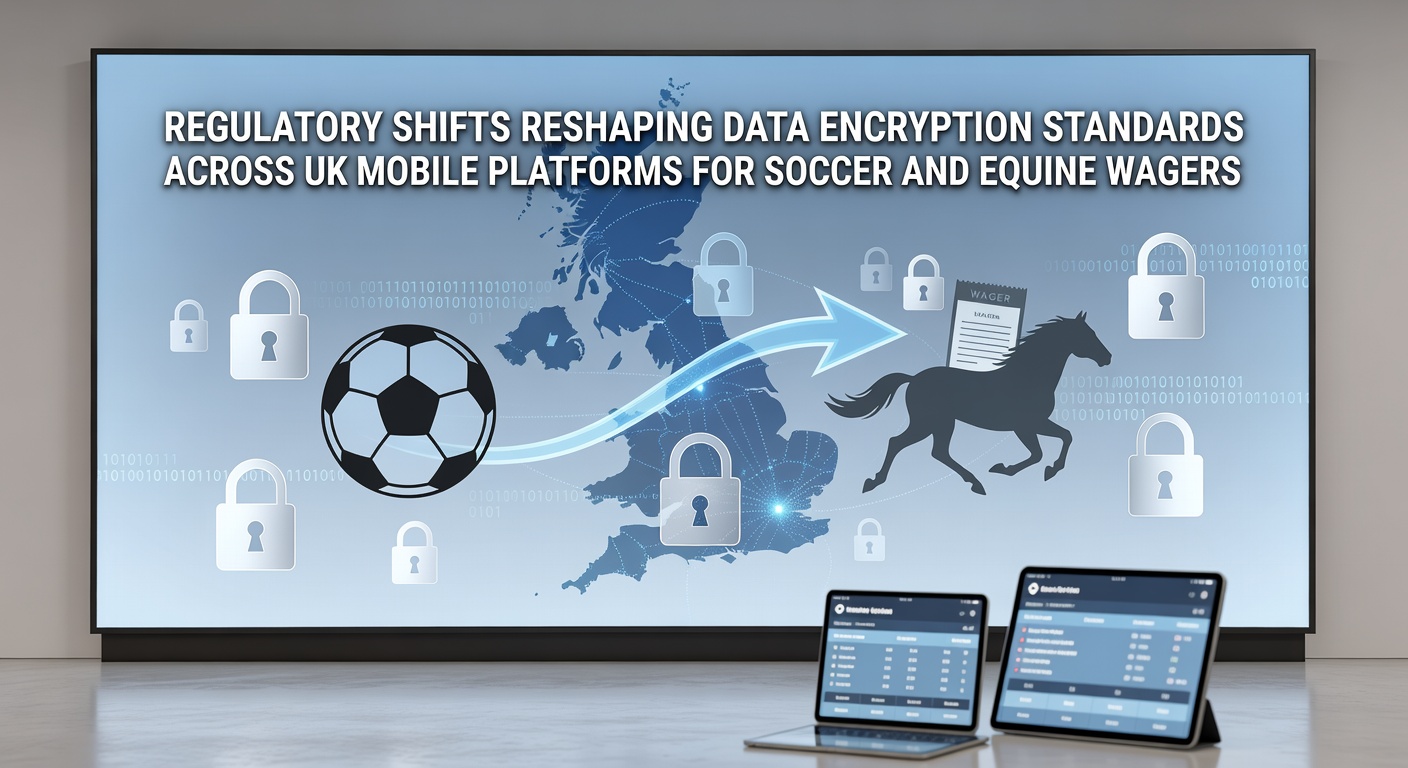
Regulatory bodies across multiple jurisdictions have introduced updated requirements that directly influence how encryption protocols operate on mobile applications handling soccer wagers and equine betting transactions in the United Kingdom, and these adjustments continue to roll out through 2026 with notable benchmarks expected in May of that year.
Standards such as advanced encryption standard variants and emerging post-quantum algorithms receive fresh scrutiny under frameworks that emphasize data integrity during live match odds updates and real-time race result processing, while mobile platforms must align their systems to maintain compliance across both categories of wagers without disrupting user access to accumulator builds or each-way markets.
Key Regulatory Drivers Behind Encryption Updates
International guidelines from organizations like the National Institute of Standards and Technology have prompted revisions to cryptographic key management practices, and these changes intersect with European data protection directives that extend influence into UK operations through cross-border data flows for betting operators serving soccer leagues and thoroughbred racing circuits. Observers note that platforms processing high volumes of in-play soccer bets alongside equine doubles now integrate stronger end-to-end encryption layers to safeguard transaction details, user location data, and payment authorizations that occur within single app sessions.
Research from academic institutions tracking fintech security indicates that mobile applications in this sector adopted enhanced elliptic curve cryptography modules by early 2025, and further refinements scheduled for May 2026 target resistance against quantum computing threats that could compromise historical wager records stored on device caches or cloud backups. Those who've examined compliance timelines find that operators handling both football accumulators and steeplechase pairings face parallel obligations, since the same user accounts often switch between these markets within the same encrypted environment.
Technical Adjustments on Mobile Platforms
Developers at several leading UK-facing services have implemented dynamic key rotation mechanisms that refresh session tokens every few minutes during live soccer streams or race broadcasts, and these measures reduce exposure windows while preserving seamless cash-out functionality for users monitoring multiple simultaneous events. Data shows that encryption overhead remains minimal when optimized for 5G connections, allowing rapid loading of bet builders that combine goal scorers with finish positions without introducing noticeable latency.
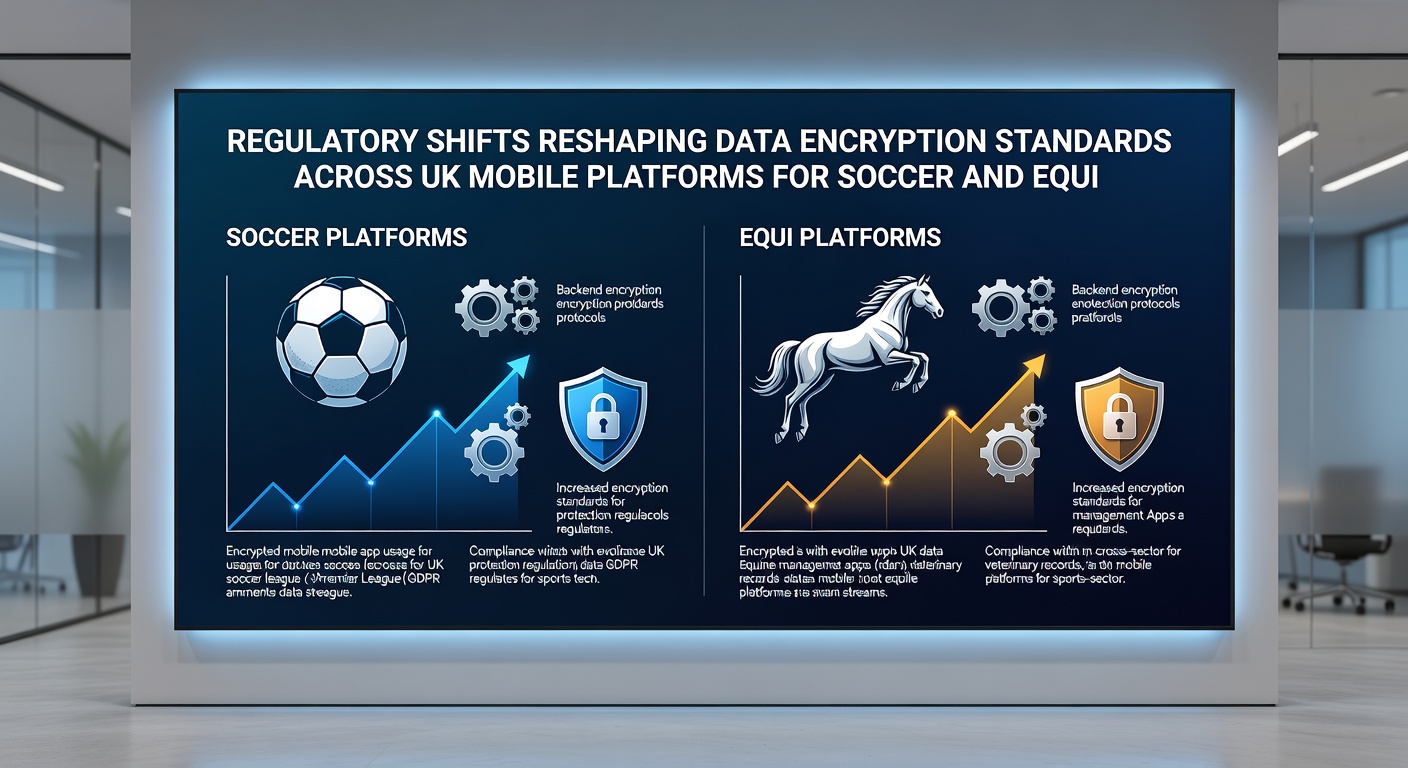
Industry reports compiled by research groups in Canada highlight parallel developments where similar encryption upgrades improved resilience against interception attempts on racing data feeds, and these findings carry relevance for UK platforms that mirror such architectures for consistency. Mobile operating systems receive corresponding patches that enforce certificate pinning, which prevents man-in-the-middle scenarios when bettors place wagers on Premier League outcomes or Ascot handicaps from public networks.
Impact on Soccer and Equine Wager Processing
Soccer markets involving live goal timings and equine events centered on photo-finish verdicts generate continuous data streams that require persistent encryption throughout the settlement cycle, and regulators have clarified that any gaps in these protections could trigger mandatory audits beginning in mid-2026. Operators respond by deploying hybrid encryption suites that combine symmetric and asymmetric methods, ensuring that personal identifiers tied to account funding remain isolated from the core betting engines that calculate odds for both sports.
According to analyses from the Australian Communications and Media Authority on digital transaction security, platforms that adopted these layered approaches reported fewer incidents of data anomalies during peak periods such as international football tournaments and major festival race meetings. Users continue to experience uninterrupted access to custom bet combinations, yet the underlying infrastructure now logs encryption events in immutable ledgers that satisfy emerging audit requirements without altering the visible interface for placing soccer or horse racing stakes.
Timeline and Implementation Benchmarks
Preparatory phases initiated in late 2024 included pilot testing of quantum-resistant algorithms on select mobile applications, and full deployment targets align with the May 2026 regulatory checkpoint that will evaluate encryption performance across a representative sample of active betting sessions. Those monitoring progress observe that companies managing high-traffic soccer and equine products have coordinated with third-party security auditors to validate compliance ahead of the deadline, avoiding service interruptions during busy fixtures or race days.
Evidence from university-led studies on cryptographic migration patterns demonstrates that gradual rollouts minimize disruption to real-time functionalities such as instant notifications for score changes or result confirmations, while still meeting elevated standards for data protection. Mobile platforms therefore maintain separate encryption profiles for different wager types when necessary, allowing soccer parlay structures and equine multi-leg bets to coexist under unified security protocols that adapt to regulatory specifications.
Conclusion
These regulatory shifts continue to standardize encryption practices across UK mobile platforms dedicated to soccer and equine wagers, producing measurable consistency in data handling methods by the May 2026 horizon. Stakeholders track ongoing refinements through established reporting channels, ensuring that technical adaptations support both market categories without compromising operational continuity.