Instant Payment Pathways Reshaping Live Wager Timing at Elite Football and Racing Events
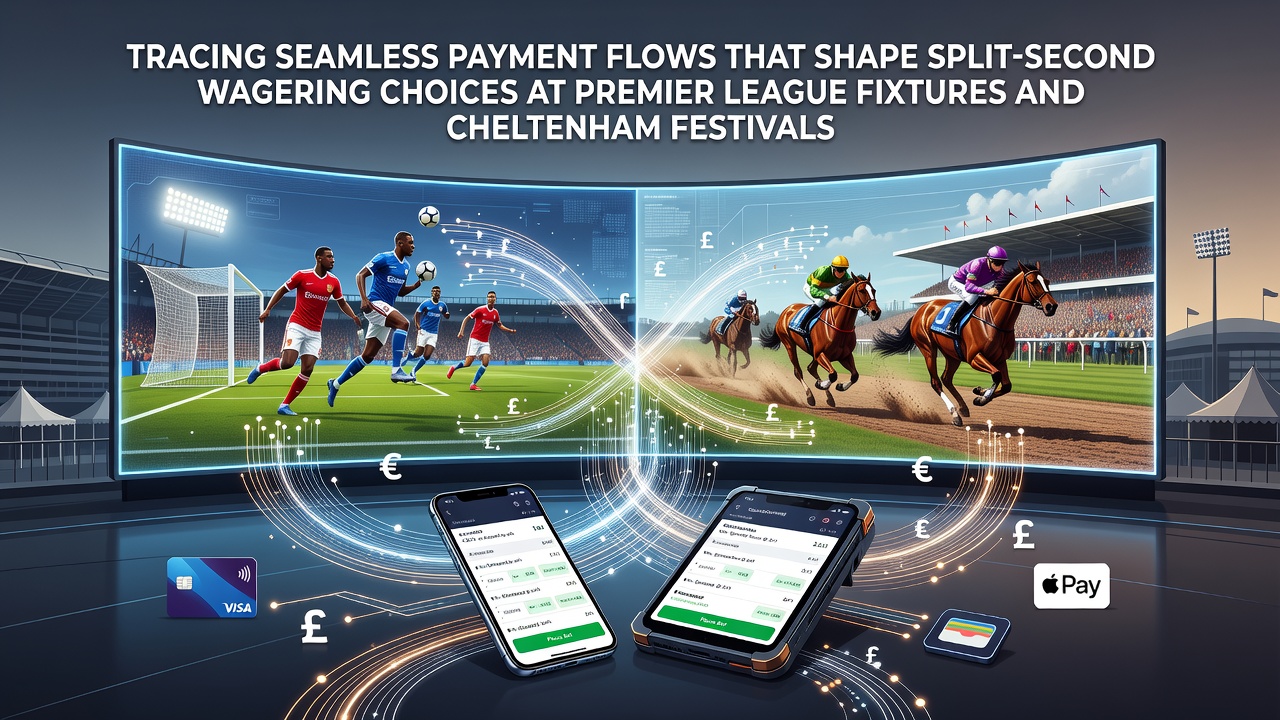
Payment systems now connect directly to betting interfaces, allowing users to move funds in real time as match events unfold or horses approach jumps at Cheltenham. These networks link banking rails, digital wallets, and platform ledgers so deposits and withdrawals occur without interrupting live odds feeds or cash-out options.
Core Mechanics of Real-Time Fund Movement
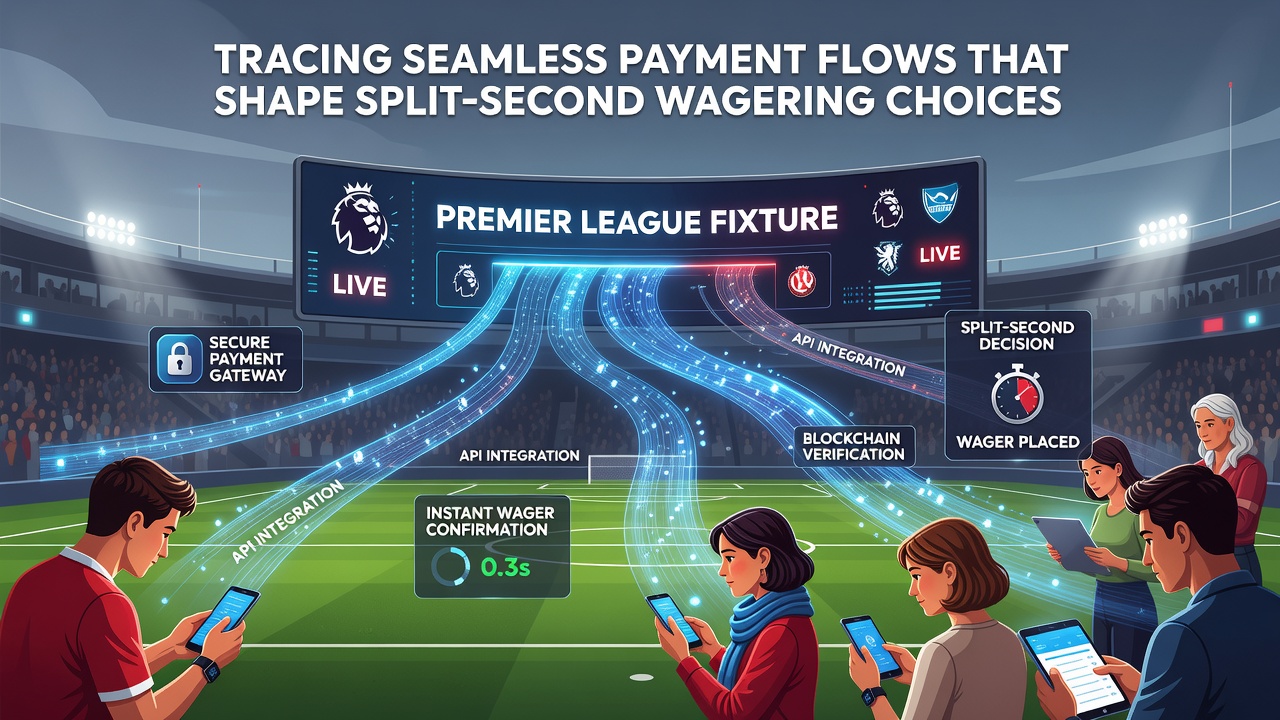
Platform operators integrate application programming interfaces that pull from multiple sources including cards, e-wallets, and bank transfers, then push confirmations back to the betting engine within seconds. Observers note that when a Premier League side concedes a goal, the updated odds appear almost immediately because the payment layer already sits inside the same data stream that refreshes prices. At Cheltenham, where races last under ten minutes, the same architecture lets bettors add stakes on the final furlong if earlier positions shift after a fall or pace change.
Researchers at the University of Nevada, Las Vegas documented how millisecond-level authorization reduces latency between intent and confirmation, and industry groups such as the European Gaming and Betting Association have tracked similar patterns across European markets. Data shows that once authorization clears, the betting account balance updates before the next price tick arrives on screen.
Premier League Fixtures and Split-Second Adjustments
During a typical Saturday afternoon fixture, live betting markets refresh dozens of times per minute. A defender's injury forces an immediate substitution, and the payment pathway must already be open so a user can increase a stake on the opposing team before the new formation settles. Platforms record these sequences by logging the exact timestamp of each deposit against the corresponding odds movement, creating audit trails that operators review for compliance and product development.
Figures from transaction processors indicate that average authorization times fell below two seconds across major UK-facing apps by early 2026. That speed lets bettors respond to corner kicks, penalty decisions, and red cards without leaving the live view. One study of session data revealed clusters of rapid deposits occurring within thirty seconds of high-impact events such as goals or VAR checks.
Cheltenham Festival Patterns
The four-day Cheltenham Festival compresses similar dynamics into shorter windows. Each race generates its own sequence of price movements from the moment horses enter the parade ring until they cross the line. Seamless payment flows support in-running bets on outcomes such as whether a favorite will lead at the final fence or whether a long-shot will complete the course. Because the average race duration sits between five and eight minutes, any delay in fund movement removes the opportunity entirely.
Operators adjust their routing logic during the festival so that traffic from UK users passes through domestic rails first, then falls back to international processors if volume spikes. This layered approach maintains sub-second response times even when daily transaction counts rise sharply. Records from March 2026 events showed that peak-hour deposit success rates remained above 99 percent while withdrawal requests processed in parallel without queue buildup.
Trends Observed Through June 2026
By June 2026, several platforms had expanded carrier-billing partnerships that allow micro-deposits charged directly to mobile accounts. These additions sit alongside existing card and wallet options, giving users additional routes when bank systems experience brief outages. Transaction logs indicate that carrier-billing volumes increased steadily through spring and into early summer, particularly among users who place multiple small stakes during single Premier League matches or across consecutive Cheltenham races.
Cross-border data from regulatory filings outside the UK further illustrate how similar payment architectures operate in comparable markets. Canadian provincial regulators and Australian state authorities both reported rising proportions of in-event deposits during major sporting windows, mirroring the patterns already visible at Premier League grounds and National Hunt festivals.
Conclusion
Payment flows now form an invisible layer beneath every live market at Premier League fixtures and Cheltenham Festival meetings. The architecture that moves funds in seconds also determines which wagers remain available when odds shift. As platforms continue to refine routing rules and add alternative rails, the timing window for each decision narrows further, yet the underlying sequence stays consistent: authorization request, balance update, odds refresh, and placement confirmation all occur within the same continuous data cycle.