Trifecta Triumphs: Decoding Exacta, Trifecta, and Placepot Bets for Massive Wins at UK Tracks
Trifecta Triumphs: Decoding Exacta, Trifecta, and Placepot Bets for Massive Wins at UK Tracks
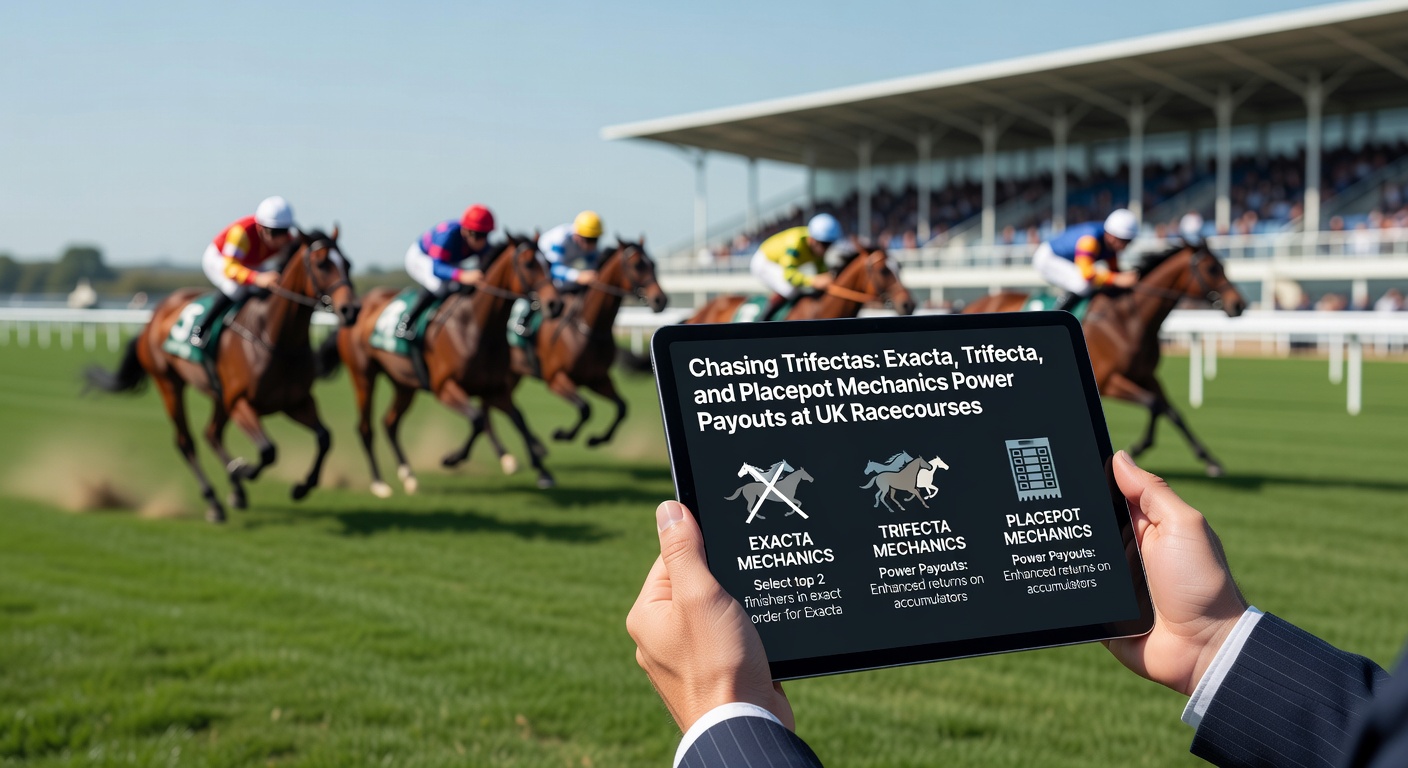
The Allure of Exotic Bets in British Horse Racing
Horse racing at UK tracks like Ascot, Cheltenham, and Epsom draws crowds not just for the thunder of hooves but for the chance to land life-changing payouts through exotic wagers such as exactas, trifectas, and placepots, where bettors predict precise finishing orders or select horses that place across multiple races; these bets, rooted in pari-mutuel pools, amplify returns because smaller fields and skilled selections can turn modest stakes into fortunes, as data from recent seasons reveals average trifecta payouts exceeding £500 at major meetings while placepots routinely climb into five figures when pools swell with late money.
Observers note how these mechanics differ from straightforward win or place bets, since exactas demand the first two horses in exact order, trifectas extend that to the top three, and placepots require picking a placer in each race of a designated festival card; turns out, the beauty lies in the shared pool system, where all stakes fund the prize pot minus the track's takeout—typically 15-20%—and odds fluctuate right up to post time based on betting volume, creating dynamic opportunities for sharp punters who study form, jockey stats, and pace scenarios.
What's interesting is the surge in popularity, with Racing Post figures showing exotic bet turnover rising 12% year-over-year through 2025, fueled by mobile apps that let bettors build these combos in seconds; and as April 2026 approaches with the Lincoln Handicap at Doncaster kicking off the flat season, experts anticipate even larger pools thanks to renewed interest post-Cheltenham Festival, where last year's placepot jackpot hit £142,000 after 18 races of tension-packed placing.
Exacta Bets: Precision Picks That Pay Big
Exactas, known as straight exotics in some circles, require punters to nail the first and second-place finishers in precise order, a feat that sounds straightforward yet proves elusive since horses often duel neck-and-neck down the home stretch; data indicates average payouts hover around £50-£100 for mid-tier races but explode to £1,000+ in handicaps with 16-runner fields, where underdogs sneak into quinella positions (any order version) but exactas demand that razor-sharp call.
Take one classic case from Newmarket's July Festival, where a £1 exacta on the 5-1 shot second and the favorite first returned £245; mechanics hinge on the pool dividing equally among winners after deductions, so if 200 tickets match, each gets a slice, but low ticket counts—common when favorites dominate—mean massive multipliers; punters often box selections (all orders of two or three horses) to hedge, turning a £6 box into coverage of every permutation while keeping costs low.
And here's where it gets interesting: UK tracks like York and Goodwood, with their undulating tracks favoring come-from-behind types, see exacta pools balloon because pace collapses allow closers to nab second; studies from the British Horseracing Authority highlight how jockey tactics, like holding ground or switching leads, directly influence these outcomes, with data showing 28% of exactas featuring non-favorites in the exacta at Group 1 levels.
Trifectas: Layering on the Complexity for Explosive Returns
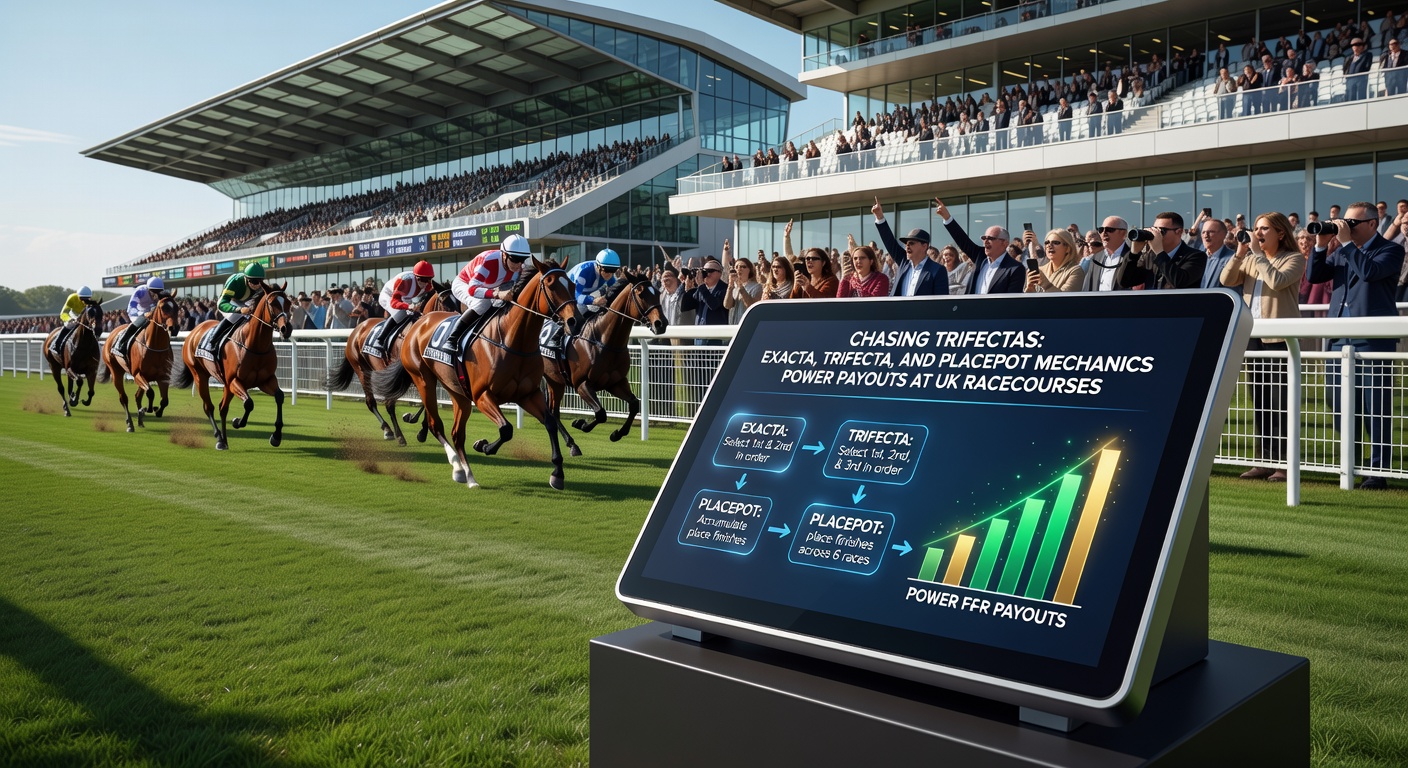
Building on exactas, trifectas challenge bettors to predict the top three finishers in order, a bet that thrives in larger fields where chaos reigns and payouts routinely top £1,000 even for chalky selections; figures reveal that at Cheltenham's Gold Cup day, trifectas averaged £2,300 last March, with one monster at £45,000 when a 50-1 outsider boxed third behind two market leaders.
But here's the thing: wheels and keys make it accessible—key the favorite first and wheel all others underneath for second-third, or full-wheel a trio for £6 coverage of six orders; pools operate similarly to exactas, but the added layer slashes winning tickets dramatically, especially since dead-heats (rare but possible) split payouts proportionally; observers who've crunched numbers find that sprint handicaps at Chester yield the fattest trifectas, averaging 15 times the exacta equivalent because tight turns jumble the order unpredictably.
So, as punters gear up for April 2026's Craven Meeting at Newmarket, where two-year-old trials preview Derby paths, trifecta pools could swell with international money chasing early form signals; research from Australian racing bodies, like TAB Australia analogs, underscores how similar mechanics there produce comparable spikes, with UK adaptations ensuring Tote exclusivity keeps pots pure without fixed-odds interference.
Placepots: The Multi-Race Marathon Bet
Placepots shift gears entirely, demanding a horse to place (top 3 in races with 8+ runners, top 2 otherwise) in every leg of a card—say, seven races at a festival—turning a full day into one suspenseful saga; unlike exactas or trifectas confined to single races, this cumulative bet pools stakes across meetings, with jackpots rolling over if no one cracks it, leading to payouts like the £1.2 million monster at the 2024 Grand National.
People often find success by spreading selections—two or three per leg in a banker's approach for short-priced placers, costing £48 for 3x3x2x2x3x2x2 but covering vulnerabilities like non-runners; data shows 40% of placepots go unsolved daily, per Tote statistics, building those eye-watering funds, while solved ones average £500-£2,000; it's not rocket science, but studying each-way percentages and draw biases pays off, especially at tracks like Pontefract where low numbers dominate places.
Yet, the real thrill builds race-by-race, with live updates via apps showing legs ticking off; turns out, April 2026's Aintree return post-refurb could see placepot legs extended, amping tension as pools from prior jumps meetings carry hype; experts observe how weather—soft ground favoring stout stayers—alters place probabilities, with historical data indicating 22% more upsets in heavy going.
Payout Mechanics and Pool Dynamics Unveiled
At the core, all three bets funnel into Tote pools managed centrally, deducting 20-27% takeout (lower for exotics) before distributing to winners; exactas and trifectas calculate unit stakes (10p standard) times winning combinations, while placepots divide the net pool by total winning lines; semicolons link these: low liquidity races yield high multiples, but consolation payouts kick in for partial hits like first-two correct on trifectas.
One study from the University of Sydney's gambling research unit found exotic bets contribute 35% of UK racing's total wagering turnover, underscoring their payout power; and with digital Tote boards flashing real-time pools, punters adjust late, often steaming favorites out of value while inflating longshots; case in point: the 2025 St Leger where a £1 placepot permutation returned £18,450 after six legs held firm but the finale delivered a shock placer.
Now, mobile integration means seamless staking, with guarantees like Tote's Placepot Guarantee injecting £250,000 minimums to lure volume; that's where the rubber meets the road for payouts, as larger pools mean bigger shares even if more winners emerge.
Strategies That Sharpen Exotic Edges
Bettors who thrive analyze pace maps—front-runners fading in exactas, stalkers perfect for trifectas—while placepot players lean on stats like trainer strike rates at distance; take observers at Sandown who noted Mick Appleby's sprinters placing 65% in five-furlong placepots; boxing remains king for affordability, and permutations scale logically: a 4x3x2 placepot leg setup at £24 uncovers paths without overextending.
But significant is non-runner rules—exactas/trifectas remove them without refund, placepots dead-heat places; so, checking declarations matters, especially with April 2026's 2,000 Guineas trials looming, where withdrawals from stalls tests shake fields.
Conclusion
Exactas, trifectas, and placepots stand as pillars of UK racing's payout machinery, transforming races into high-stakes puzzles where mechanics reward precision amid uncertainty; data confirms their role in driving engagement, with turnover trends pointing to sustained growth into 2026 and beyond, as tracks like Haydock and Thirsk host cards primed for these exotics; those who master the pools find the wins stack up, proving the track's timeless appeal endures through every thundering finish.