UK Gambling Commission Rolls Out Sweeping 2026 Reforms to Boost Online Safety Standards

The UK Gambling Commission has rolled out a series of targeted reforms in 2026 that focus on safety, fairness and transparency across online gambling platforms, and these measures have taken effect amid ongoing efforts to reshape the regulatory landscape for both operators and players.
Central to the overhaul stands the new 40% Remote Gaming Duty applied to online slots and casino games, which came into force on April 1, 2026, and nearly doubled the previous 21% rate, prompting operators to adjust pricing structures and compliance protocols while players encounter revised game economics across major sites.
Key Financial Adjustments and Their Reach
Operators have begun recalibrating their offerings to accommodate the duty increase, which applies uniformly to remote gaming activities, and this shift has led some platforms to review bonus structures and stake configurations in order to maintain margins without compromising on regulatory compliance, while data from industry filings shows early signs of consolidation among smaller operators who face steeper cost pressures.
At the same time new slot stake limits have been introduced that cap maximum bets per spin for players under certain age or risk profiles, and these restrictions aim to curb excessive play patterns without eliminating the appeal of high-volatility titles that remain popular among recreational users.
Restrictions on Bonuses and Risk Checks
A ban on mixed-product bonuses now prevents operators from combining elements such as slots and sports betting rewards into single promotions, which forces clearer separation of marketing campaigns and reduces the potential for players to migrate between product types through cross-subsidised incentives that previously blurred regulatory lines.
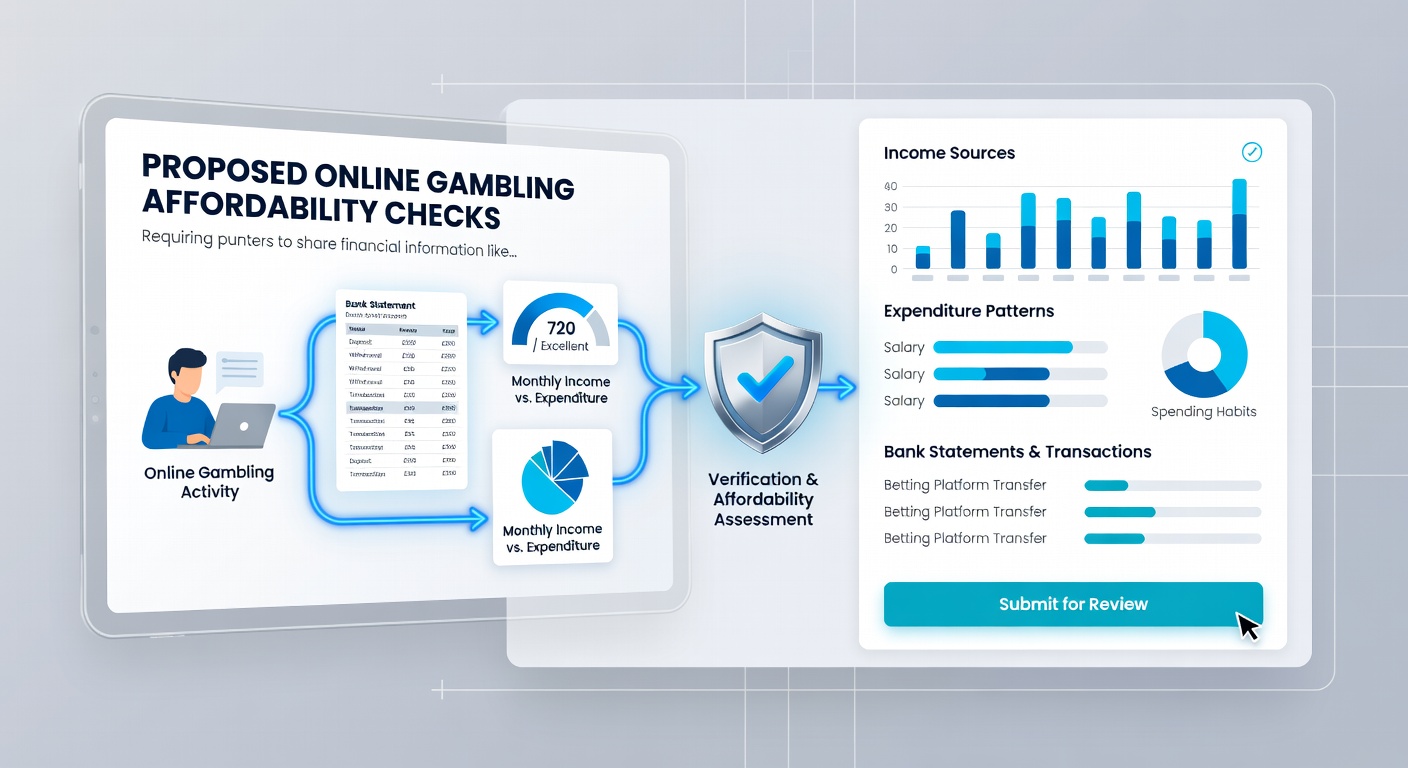
Frictionless financial risk checks have also been mandated, allowing platforms to perform real-time affordability assessments using banking data and spending patterns, and these checks occur without disrupting the user experience yet flag high-risk activity for further review before significant losses accumulate.
Crackdown on Illegal Offshore Activity
Stronger enforcement actions against illegal offshore operators have expanded through coordinated efforts with payment processors and internet service providers, resulting in faster blocking of unlicensed sites and more aggressive pursuit of those targeting UK players from jurisdictions outside the regulated framework, and figures released in May 2026 indicate a measurable drop in traffic to known black-market domains since the new rules took hold.
Those monitoring the sector note that the broader regulatory overhaul encompasses updates to the Licence Conditions and Codes of Practice, which operators must now follow more rigorously, and Upcoming changes to the LCCP include enhanced reporting requirements for player data and clearer guidelines on responsible gaming tools that integrate directly with the frictionless checks already in place.
Impact on Operators and Players
Operators report increased administrative workloads as they implement the duty changes and stake limits, while many have invested in updated software to handle the new risk-assessment protocols, and players meanwhile find that certain bonus offers have been streamlined or removed entirely in line with the mixed-product restrictions, leading to more transparent but sometimes less generous promotional menus across the market.
Evidence from compliance audits conducted in the first quarter of 2026 shows high adherence rates among licensed entities, although some smaller operators have merged or exited the UK market rather than absorb the higher duty burden, and this consolidation has concentrated market share among larger firms that possess the resources to manage the updated tax and regulatory demands.
Research indicates that the stake limits and risk checks together reduce the incidence of rapid, high-volume play sessions, and while players adapt to the new parameters many continue to engage with regulated platforms because the protections against illegal sites have improved noticeably since April.
Looking Ahead in the Regulatory Landscape
As May 2026 progresses the Commission continues to monitor outcomes from these reforms through ongoing data collection and stakeholder consultations, and early indicators suggest that the combination of financial duties, product restrictions and enforcement measures is creating a more controlled environment without stifling the overall volume of legal online activity.
Conclusion
The 2026 UK Gambling Commission reforms represent a coordinated push toward greater accountability in the online sector, and their effects continue to unfold as operators refine operations and players navigate the updated rules, with the duty increase, stake caps, bonus ban, risk checks and offshore crackdowns forming the core pillars of this single, focused regulatory update that remains in active implementation across the industry.