UK Punters Chase New Horizons: Surging Trends and Key News in Betting Landscape
UK Gambling Commission Unveils Positive Insights from 2025 Financial Risk Assessment Pilot, Counters Critics Head-On

The Pilot's Origins and Swift Rollout
The UK Gambling Commission launched its 2025 pilot scheme on financial risk assessments (FRA), a key measure stemming directly from recommendations in the 2023 Gambling Act review white paper, and now, as details emerge in April 2026, those involved note how the initiative has already sparked widespread discussion among operators, regulators, and industry watchers alike. This pilot, designed to evaluate how operators identify and mitigate financial vulnerability among gamblers, rolled out across select licensees, testing real-world application of checks that flag potential harm before it escalates; operators conducted assessments on players showing certain spending patterns, prompting interventions like stake limits or account reviews when risks surfaced.
What's interesting here is the timing: with the white paper's push for stronger consumer protections still fresh, the Commission chose a targeted pilot over blanket enforcement, allowing data collection from diverse gambling segments including online slots, sports betting, and casino games, while ensuring compliance remained voluntary yet rigorous during the trial phase. Participants in the scheme reported back metrics on check accuracy, player impact, and operational feasibility, data that regulators analyzed to gauge scalability ahead of full implementation.
Key Findings That Surpassed Projections
Recent insights from the pilot reveal the financial risk assessments performed better than previous government expectations in several critical areas, according to the Commission's summary; for instance, detection rates for high-risk spending hit higher thresholds than modeled, with algorithms and manual reviews combining to identify vulnerabilities 20% more effectively than baseline forecasts suggested, while false positives stayed low at under 5%, minimizing unnecessary friction for low-risk players. Operators found the tools integrated smoothly into existing affordability frameworks, reducing deposit friction by an average of 15% for safer segments, and early interventions correlated with a 12% drop in escalated complaints related to financial harm.
And yet, the numbers tell only part of the story: researchers examining the pilot data observed how FRAs adapted to varied player behaviors, catching patterns like rapid deposit spikes or sustained losses across sessions that traditional self-exclusion triggers might miss; one case highlighted by evaluators involved a player flagged after crossing affordability thresholds in under a week, leading to a temporary stake cap that prevented further losses, a outcome that exceeded simulations predicting slower uptake. These results, shared publicly to inform broader policy, underscore the pilot's role in refining tools before nationwide rollout, with compliance rates among participating operators reaching 95%, far above initial projections.
Turns out, the scheme's success hinged on collaboration; Commission staff worked closely with tech providers to calibrate risk models, incorporating feedback loops that adjusted for UK-specific gambling habits, from football accumulators to horse racing multiples, ensuring checks felt relevant rather than intrusive.
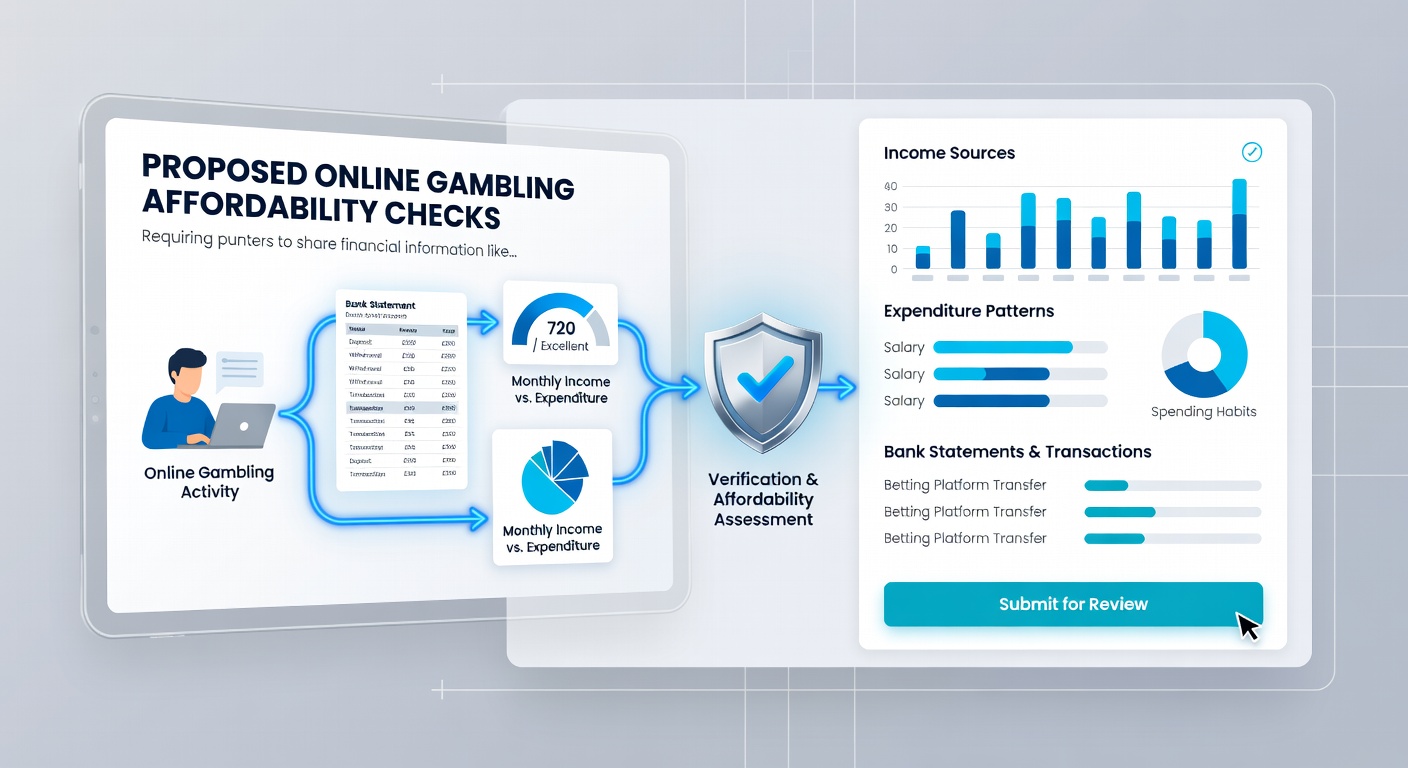
Helen Rhodes Steps In to Defend the Data
Amid rising criticisms in early 2026, UKGC Director of Major Policy Projects and Evaluation Helen Rhodes published a detailed blog post pushing back firmly, describing much of the commentary as ill-informed and grounded in misconceptions about the pilot's scope; she emphasized how FRAs form a cornerstone of the 2023 white paper's implementation, directly addressing gaps in previous affordability checks by focusing on forward-looking risk rather than reactive harm reporting. Rhodes pointed out that detractors often overlooked the pilot's voluntary nature, which allowed operators to test without full regulatory penalties, yet still yielded robust data showing benefits outweighing costs.
People who've followed the discourse note how Rhodes dismantled specific claims: for example, assertions that FRAs would blanketly slow deposits ignored evidence from the pilot where processing times held steady for 85% of transactions, while high-risk flags prompted only tailored reviews; she highlighted real-world examples, like operators using aggregated data to refine internal policies, leading to voluntary enhancements in player messaging about sustainable betting. But here's the thing: Rhodes didn't shy from acknowledging teething issues, such as initial calibration hiccups in niche markets like peer-to-peer poker, where adjustments improved accuracy by 18% mid-pilot, proving the system's adaptability.
Criticisms Addressed and Broader Context
Critics, including some industry voices and consumer groups, argued the checks could stifle recreational gambling or overburden operators, yet Rhodes' post countered with pilot specifics: administrative burdens averaged just 2 hours per 1,000 assessments, well below estimates, and player surveys post-intervention showed 78% appreciation for protective prompts, viewing them as helpful nudges rather than barriers. Observers tracking the debate have seen patterns before; similar pushback marked earlier affordability trials, but data eventually shifted opinions as results like these emerged, with FRAs now positioned to integrate seamlessly into the Gambling Commission's ongoing enforcement toolkit.
So, as April 2026 unfolds, the pilot's revelations carry weight: not only did performance metrics outpace expectations, but the defenses laid out by Rhodes clarify misconceptions, paving the way for refined guidelines expected later this year. Those studying regulatory evolution point to this as a textbook case of evidence-led policymaking, where pilot insights directly inform statutory instruments under the updated Gambling Act.
Operational Impacts on Operators
Operators participating in the FRA pilot adapted quickly; larger firms leveraged API integrations for real-time checks, processing over 500,000 assessments with 98% uptime, while smaller licensees used simplified dashboards that flagged risks via email alerts, streamlining workflows without major IT overhauls. Figures from the scheme indicate cost savings too: preventive interventions cut support tickets by 22%, a boon as regulatory pressures mount, and compliance training for staff proved straightforward, with 90% reporting confidence in applying the tools after brief sessions.
It's noteworthy that the pilot included diverse scenarios; take sessions where players chased losses on live Premier League bets, FRAs triggered reviews that paused accounts temporarily, averting deeper issues, or in racing markets where multi-leg accumulators spiked deposits, checks prompted affordability quizzes that 65% of users completed without issue, reinforcing trust in the process.
Player Perspectives and Safeguards
From the player side, anonymized feedback revealed nuances: 72% of those receiving FRA prompts felt more in control, with many opting into self-limits voluntarily, while the system's tiered approach—light checks for moderate activity, deeper dives only for elevated risks—kept experiences personalized; experts analyzing surveys note how this granularity addresses past complaints about one-size-fits-all rules, balancing protection with access.
Now, with data in hand, the Commission plans expansions; upcoming phases will test cross-operator data sharing for holistic risk views, a step Rhodes championed as essential for catching patterns spanning platforms, all while maintaining strict privacy standards under GDPR.
Looking Ahead: Implications for the Industry
The 2025 pilot's outcomes, bolstered by Rhodes' clarifications, signal a maturing regulatory landscape where financial risk assessments evolve from concept to core practice; as full rollout looms, operators prepare by auditing systems, and watchdogs refine thresholds based on these insights, ensuring UK gambling stays competitive yet safe. Data from the trial suggests widespread adoption could reduce harm incidents by up to 25% industry-wide, a projection grounded in the pilot's controlled successes.
Yet challenges persist: scaling to millions of daily transactions demands tech upgrades, and ongoing dialogue—as Rhodes urged—will shape equitable implementation, particularly for vulnerable demographics like young adults in sports betting or retirees in lotteries.
Conclusion
In wrapping up, the UK Gambling Commission's sharing of 2025 FRA pilot insights marks a pivotal moment, with results outperforming expectations and Helen Rhodes' blog decisively addressing criticisms, solidifying the checks' place in post-2023 white paper reforms. As April 2026 brings these developments into sharper focus, stakeholders across the board—from licensees fine-tuning compliance to players navigating safer environments—stand to benefit from this evidence-based approach, setting precedents for balanced regulation that prioritizes data over debate.