UK Punters Push Back on Affordability Checks: Surveys Show 65% Refuse Financial Data Shares Amid Industry Alarms
UK Punters Push Back on Affordability Checks: Surveys Show 65% Refuse Financial Data Shares Amid Industry Alarms

The Spark of Controversy Over New Gambling Safeguards
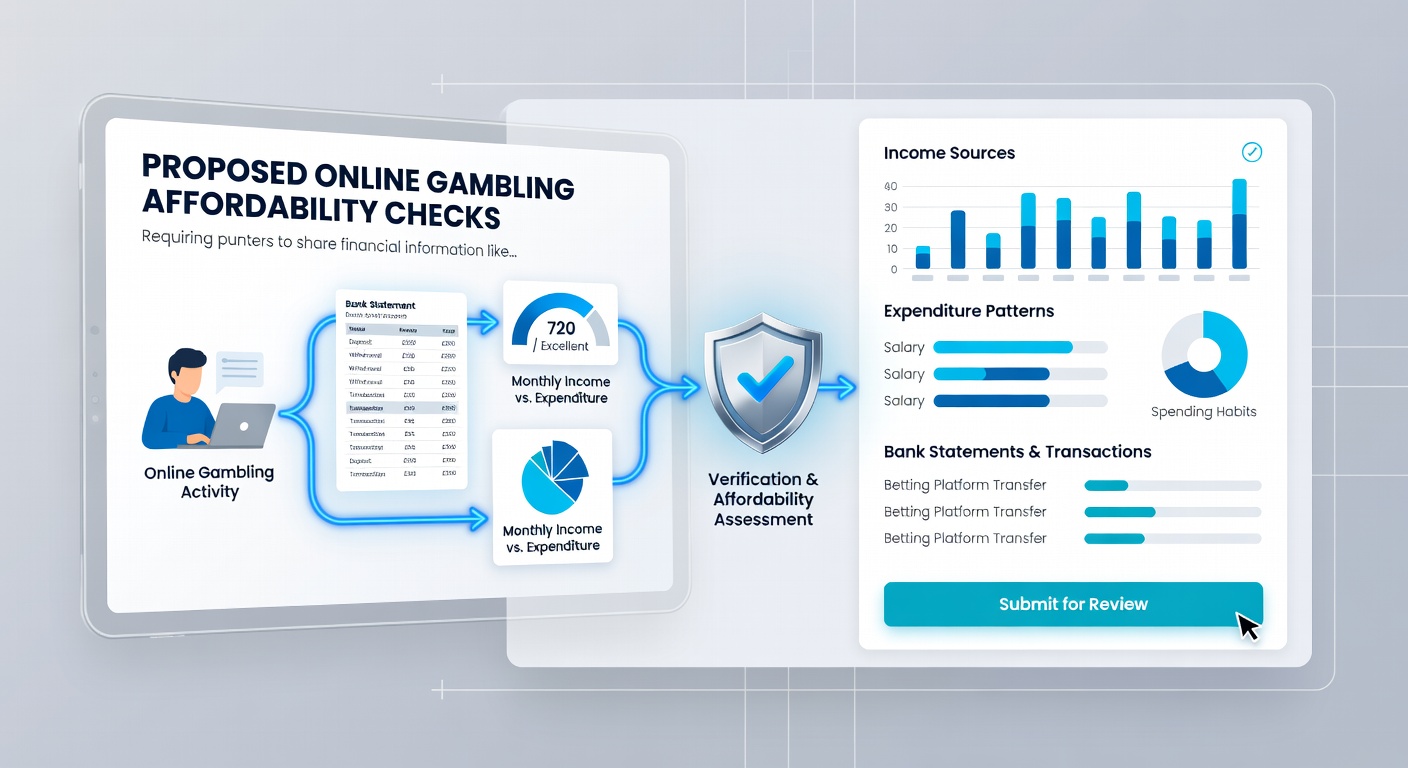
Proposed affordability checks for online gambling in the UK have ignited fierce backlash from bettors, who face requirements to submit sensitive financial documents like bank statements before placing wagers; this move, aimed at curbing problem gambling, has instead united punters in refusal, with data from a Betting and Gaming Council survey of more than 2,000 customers revealing that 65% flat-out reject sharing such information. And while regulators push these measures as essential protections, frequent gamblers and industry voices argue they intrude too deeply, potentially shoving activity underground where oversight vanishes.
What's interesting here is how quickly opposition crystallized; punters, from casual football fans to dedicated horse racing followers, view these checks—often dubbed 'mortgage-style' for their rigorous financial scrutiny—as a step too far, especially since they could halt bets until documents get approved. Observers note that this sentiment echoes across betting forums and social media, where users share stories of frustration over similar past pilots, although those trials involved softer checks.
But here's the thing: the proposals target online platforms primarily, leaving land-based shops somewhat untouched for now, which has some bettors grumbling about uneven rules that hit digital wagering hardest; data indicates this could reshape habits, pushing more activity toward apps or sites just beyond UK borders.
Deep Dive into Bettor Sentiment: The BGC Survey Breakdown
The Betting and Gaming Council poll, conducted amid rising calls for tougher gambling rules, captured raw customer views by surveying over 2,000 active punters who regularly bet on sports like Premier League matches or Cheltenham races; figures show not only that 65% won't provide bank statements or equivalent proofs of disposable income, but also that many cite privacy concerns as their top reason, fearing data misuse or endless paperwork loops. Take one group of respondents—those wagering weekly—who overwhelmingly preferred self-limits over mandatory financial disclosures, highlighting a desire for control without Big Brother oversight.
And it doesn't stop there; the survey delved into alternatives, finding 70% support for behavioral tools like session timers or deposit caps that don't demand income verification, tools already popular on platforms like Bet365 or William Hill. Researchers who analyzed the data pointed out how trust plays a key role, with punters comfortable sharing basic ID for age checks but drawing the line at full financial snapshots, especially when black market sites offer no-questions-asked access.
Turns out, this refusal rate climbs even higher among younger bettors under 35, who dominate mobile wagering and value speed above all; they often discover that uploading statements delays action during live events, like a crucial Manchester United goal or a late gallop at Ascot.
Frequent Gamblers' Stance: Gambling Commission Data Paints a Stark Picture
Separate research involving 12,000 participants from the Gambling Commission underscores the divide, with over three-quarters of frequent gamblers—those betting multiple times weekly—opposing the checks outright; these individuals, who contribute the bulk of industry revenue through football accumulators and racing multiples, argue the measures ignore responsible habits already in place, like using loss limits voluntarily. Data indicates this group fears not just inconvenience, but a chilling effect on enjoyment, where proving affordability becomes a barrier to spontaneous fun.
Experts who've studied gambling patterns note that frequent punters often self-regulate better than averages suggest, relying on apps' built-in tools to stay in check; yet the proposed checks, set for wider rollout potentially by April 2026, would mandate periodic financial reviews based on spending thresholds, say £500 monthly losses triggering deeper probes. People who've tested similar systems in trial regions report delays stretching hours, turning quick in-play bets into ordeals.
So why the strong no from this cohort? Figures reveal privacy tops the list, followed by doubts over accuracy—after all, bank statements don't capture savings, investments, or shared household finances, leading to unfair blocks for legitimate players.
Industry Heavyweights Sound the Alarm to Government
Leaders from the Betting and Gaming Council, alongside more than 400 figures from British horse racing—including trainers, jockeys, and track operators—have directly warned Culture Secretary Lisa Nandy about the risks, framing the checks as a gateway to illegal markets where protections evaporate; their letter highlights how offshore operators, unregulated and untaxed, lure frustrated punters with lax rules, a pattern seen in other jurisdictions. And while the government eyes these as harm-reduction tools, industry data counters that they disproportionately hit low-risk players, leaving high-street bookies strained.
Take the racing sector, where bets fuel everything from prize money to stable jobs; those who've crunched the numbers project a £250 million hit over five years if customers flee to black market apps, platforms that skirt UK taxes and safer gambling features like self-exclusion. Observers point to cases in Australia, where similar affordability mandates correlated with underground shifts, per local studies, although UK leaders stress their market's unique scale.
HM Treasury faces its own pinch, with estimates pegging lost tax revenue at £200 million across the same timeframe; that's money from remote betting duties that supports public services, now at risk as punters seek smoother, unchecked options elsewhere.
Economic Ripples and Black Market Fears
The warnings extend beyond rhetoric; industry analyses project that 'mortgage-style' checks—requiring proof of affordability akin to home loans—could slash legal wagering volumes by 20-30% initially, driving activity to crypto-based sites or VPN-routed foreign books that ignore age or addiction safeguards. Racing stakeholders, who rely on betting turnover for 80% of funding, warn of track closures and layoffs, painting a domino effect from Newmarket to Epsom.
But here's where it gets interesting: while proponents tout reduced harms, past pilots showed minimal impact on problem gambling rates, with most at-risk players already identified via other flags like rapid deposits; frequent bettors, in turn, push for tech like AI monitoring that flags patterns without personal finance dives. And as April 2026 looms as a potential full implementation date—pending consultations—the clock ticks on negotiations between Nandy's department and stakeholders.
People in the know observe how this mirrors debates elsewhere, like Canada's provincial regulators testing softer checks, yet UK punters remain vocal, flooding petitions and MP inboxes with calls to scrap or soften the rules before they launch.
Broader Context and Stakeholder Dialogues
Dialogues continue apace, with BGC pushing frictionless alternatives like friction-based spending assessments that use transaction history without full statements; over 400 racing signatories, from the British Horseracing Authority to independent trainers, amplify this in joint campaigns, underscoring horse racing's £4 billion economic footprint vulnerable to offshore flight. Data from customer panels reveals 80% would stick with licensed sites if checks stayed light, but thresholds triggering deep dives—perhaps £1,000 losses quarterly—tip many toward exits.
Yet regulators hold firm, citing rising treatment needs, although industry counters with voluntary scheme successes where 90% of punters opt in without mandates. This tug-of-war, playing out in Westminster meetings, keeps bettors on edge, wondering if April 2026 brings barriers or balanced reforms.
What's significant is the unity: casual soccer punters align with hardcore racing fans, all eyeing smoother paths forward without the paperwork grind.
Conclusion
As backlash builds—65% refusal per BGC polls, 75% opposition from frequent gamblers—these affordability checks test the UK's gambling landscape, pitting privacy and convenience against harm prevention; industry projections of £250 million racing losses and £200 million Treasury shortfalls loom large, urging Culture Secretary Nandy toward tweaks before April 2026 rollout. Stakeholders from BGC to racing ranks call for smarter tools, while punters hold firm, betting the government listens before black markets cash in.
In the end, data drives the debate, with surveys painting a clear picture of resistance that could redefine legal wagering if unaddressed; observers watch closely, knowing the next moves shape bets for years ahead.